The monsoon brings welcome relief from summer heat, but it also ushers in a set of skin challenges that many people struggle with year after year. High humidity, wet clothing, contaminated water, and reduced sunlight create the perfect environment for fungal infections, acne flares, scalp troubles, and rashes. If your skin acts up every rainy season, you are not alone, and the reasons go deeper than surface moisture.
This guide explains what actually happens to your skin during monsoon, what you can do at home to protect it, and how homeopathy looks at these conditions differently from conventional spot treatments.
Why Monsoon Is Hard on Your Skin
Your skin is your largest organ and its first job is to act as a barrier. During monsoon that barrier faces several simultaneous pressures.
- Humidity above 80% keeps sweat from evaporating, leaving the skin surface persistently damp. This warmth and moisture together encourage fungi and bacteria to multiply rapidly.
- Rainwater runoff picks up dust, pollutants, and micro-organisms from roads and drains. Contact with this water, even briefly, can irritate or infect already-compromised skin.
- Wearing wet clothes or socks for long periods is one of the most common triggers for fungal infections in skin folds, feet, and the groin area.
- Reduced sunlight means less natural vitamin D synthesis, which plays a quiet but real role in immune defence at the skin level.
- Sebaceous glands become overactive in humid weather, leading to excess oil production. This, combined with sweat and pollution, clogs pores and sets off acne.
Common Monsoon Skin Problems
Fungal Infections
Ringworm (tinea corporis), athlete's foot (tinea pedis), and jock itch (tinea cruris) are among the most frequently reported monsoon conditions. They appear as circular, scaly, itchy patches that tend to spread outward. Skin folds, the spaces between toes, and the groin area are most vulnerable because they stay damp longest.
Acne and Pimple Flares
Even people who have clear skin for most of the year often experience breakouts during monsoon. The combination of excess sebum, blocked pores, sweat, and airborne dust creates the exact conditions in which acne-causing bacteria thrive. Comedones (blackheads and whiteheads), papules, and pustules can all worsen during this period.
Folliculitis
Folliculitis is an inflammation of the hair follicles, appearing as small red or white bumps around the follicle opening. It is often caused by bacterial or fungal overgrowth on sweat-dampened skin and is common on the back, chest, thighs, and scalp during rainy months.
Eczema and Contact Dermatitis
People with a history of eczema often notice flares in monsoon. Contact with contaminated water, detergents in wet clothing, or synthetic fabrics that trap moisture can all trigger or worsen skin inflammation. The result is red, itchy, sometimes weeping patches that can be quite uncomfortable.
Scalp Issues
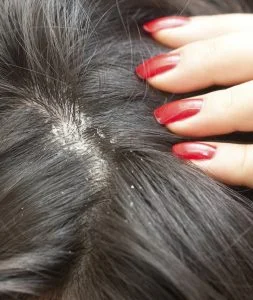
A persistently damp scalp is an ideal breeding ground for the yeast-like fungus that causes dandruff and seborrhoeic dermatitis. Itching, flaking, and scalp tenderness tend to worsen noticeably during and after the rainy season.
Everyday Self-Care During Monsoon
Before reaching for any treatment, consistent daily habits make a significant difference. These steps reduce the conditions that allow skin problems to develop in the first place.
Keep Skin Dry and Clean
- Change out of wet clothes as soon as possible after getting caught in rain.
- Dry skin folds (underarms, groin, between toes) thoroughly after bathing.
- Use a mild, pH-balanced cleanser rather than harsh soaps that strip protective oils.
- Shower promptly after heavy sweating.
Choose the Right Fabrics
- Prefer cotton and other breathable fabrics over synthetic materials during monsoon.
- Avoid tight clothing that traps moisture against the skin.
- Use moisture-wicking socks and change them if they become damp.
Diet and Hydration
- Drink adequate water even when you do not feel thirsty. The body still loses fluids through sweat in humid weather.
- Include seasonal vegetables and fruits rich in vitamin C and zinc, both of which support skin immunity.
- Reduce heavy fried foods and excessive sweets during monsoon. These can promote internal heat and oil secretion, worsening acne-prone skin.
- Probiotic-rich foods such as curd (if tolerated) can support gut health, which has a direct link to skin inflammation patterns.
Skincare Routine Adjustments
- Switch to a light, water-based moisturiser if your usual one feels heavy in humidity.
- Do not skip sunscreen entirely on cloudy days. UV radiation penetrates cloud cover and triggers pigmentation.
- Avoid sharing towels, razors, or footwear, as fungal infections spread easily through these.
- Keep your phone screen clean, as it contacts your face frequently and can transfer bacteria to acne-prone areas.
How Homeopathy Approaches Monsoon Skin Problems
Conventional treatments for monsoon skin conditions typically focus on the immediate problem: an antifungal cream for ringworm, a topical antibiotic for folliculitis, a medicated shampoo for dandruff. These are useful for acute relief, but many people find the same problems returning season after season. This is where homeopathy offers a different perspective.
Treating the Person, Not Just the Patch
In classical homeopathy, a skin complaint is rarely viewed as a problem confined to the skin. The skin is considered a reflective organ, one that often expresses what is happening internally. When a person develops recurring fungal infections every monsoon, the homeopathic question is not only "which fungus is this?" but also "why is this person's system unable to resist or recover from this particular challenge?"
A homeopathic consultation therefore looks at the full picture: the nature of the eruption, whether it is better or worse with heat or cold, the person's general energy levels, digestive patterns, sleep, stress, and any recurrent tendencies. This detailed understanding guides the choice of remedy.
The Individualised Nature of Treatment
Two people presenting with monsoon acne may receive entirely different remedies based on their overall constitutional picture. One person whose acne worsens with oily food and heat, and who tends toward irritability and flushing, would be assessed very differently from another person whose skin erupts alongside fatigue and digestive sluggishness. This individualisation is central to classical homeopathic practice.
Remedies Considered in Monsoon Skin Conditions
In classical homeopathy, remedies such as Graphites, Sulphur, Thuja, Sepia, and Psorinum may be considered for various patterns of skin eruption, fungal tendency, and recurrent skin sensitivity. These are mentioned here only as examples of the range of medicines that exist within the homeopathic system. The appropriate remedy for any individual must be selected by a qualified homeopathic physician after a proper case assessment. Self-prescribing based on symptom names alone is not the same as classical homeopathic treatment and may not produce the results expected.
A Note on Chronic Skin Tendencies
Homeopathy tends to work gradually on chronic or recurring conditions. Patients who have had skin problems for several years, or whose conditions tend to suppress and return, generally require a longer course of treatment. For acute flares during monsoon, a homeopath may also suggest supportive measures alongside the constitutional remedy.
When to Consult a Doctor
Not every skin rash needs immediate medical attention, but certain signs should prompt a consultation without delay.
- A rash or infection that is spreading rapidly despite basic hygiene measures.
- Skin lesions that are painful, deeply inflamed, or beginning to discharge pus.
- Fever accompanying a skin eruption, which can suggest a systemic infection.
- Recurrence of the same problem every monsoon for two or more years, which points to an underlying susceptibility worth addressing properly.
- Children, elderly individuals, or anyone with diabetes or compromised immunity should seek advice early rather than waiting, as skin infections can progress more quickly in these groups.
A personalised homeopathic consultation can be valuable not just for treating the active problem but for building the resilience that reduces how often and how severely these conditions recur. Dr. Astha Pathak (BHMS, MPH) offers consultations both online across India and in-clinic at Shahdol, Madhya Pradesh.
Frequently Asked Questions
Can homeopathy treat a fungal infection during monsoon, or does it only prevent recurrence?
Homeopathy can be used during an active fungal infection as well as to address the tendency toward recurrence. For an acute, spreading infection, a qualified homeopath will assess whether the remedy alone is sufficient or whether supportive external care is also needed alongside it. The goal is to support the body's own defence while also addressing the underlying susceptibility over time.
My skin is oily in monsoon but dry in winter. Does homeopathy have a single approach for this?
This kind of seasonal variation is useful information in a homeopathic case-taking. The remedy chosen for you would take into account your overall pattern across seasons, not just the current complaint. Homeopathy does not prescribe one remedy for "oily skin" in the abstract. The full individual picture, including how your skin behaves across the year, guides the prescription.
How long does homeopathic treatment take to show results for monsoon skin issues?
For acute eruptions that have just appeared, some response may be noticed within days of starting the right remedy. For chronic or recurring conditions such as yearly fungal infections or long-standing acne, meaningful improvement typically takes several weeks to months of consistent treatment. The timeline varies with how long the problem has been present and how the individual responds. Your homeopathic doctor will review progress and adjust the plan accordingly.
The monsoon does not have to mean months of skin trouble. With sound daily habits, an awareness of what triggers your particular skin type, and the right medical support when needed, you can come through the rainy season with your skin in good shape. If your skin problems keep returning every year, that pattern itself is worth a proper consultation rather than another season of temporary fixes.
To book a consultation with Dr. Astha Pathak, reach out on WhatsApp at +91 89890 13136 or call directly. Online consultations are available across India.